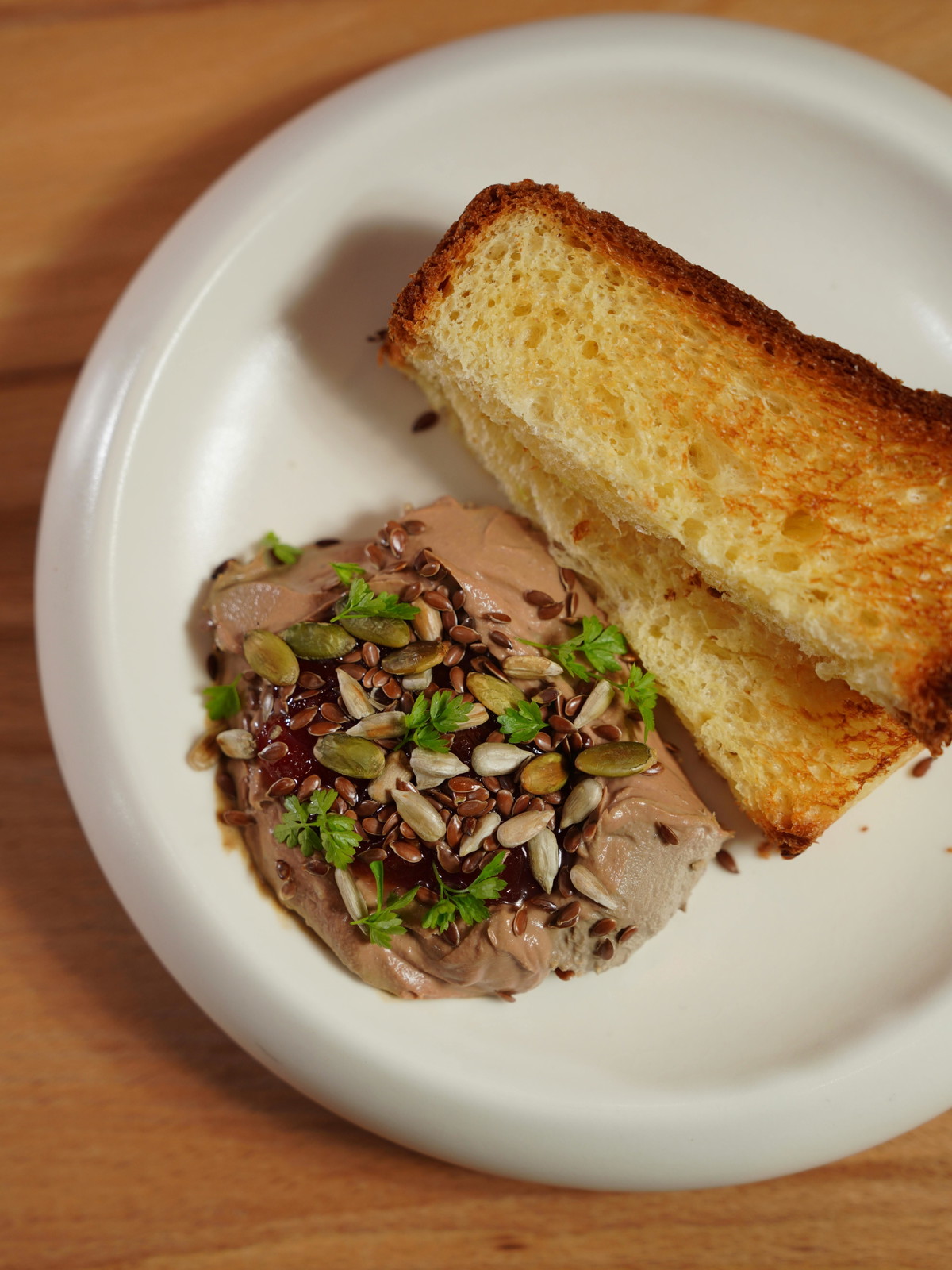
Smooth and Flavourful Homemade Venison Pate
There is something about a good pate that feels quietly impressive. It is simple enough to make at home, but once chilled and served with crisp toast, it turns into the kind of starter that makes a table feel well looked after. This venison pate recipe leans into everything that makes wild game special: high protein, rich flavour, a deep savoury character, and a finish that feels a little more refined than an everyday spread.
What makes it work so well is balance. Venison brings depth and a gentle earthy note, while butter, cream, shallots, and herbs round everything out into a smooth, generous texture. The result is a spread that feels rustic without being heavy, and bold without losing its softness.
If you are just getting started with wild game, this is also a brilliant place to begin. It is forgiving, make-ahead friendly, and perfect for serving as part of a relaxed lunch, a dinner party starter, or a grazing board with pickles and good bread.
Venison pate recipe
This venison pate recipe is designed to be rich, smooth, and easy to make at home. You cook the venison gently with aromatics, blend it while still warm, then chill it until set. That is really all there is to it.
It serves around 6 to 8 people as a starter, depending on what you serve alongside it. Give yourself about 20 minutes to prepare everything, 15 minutes to cook, and at least 4 hours for chilling, although overnight is even better for texture and flavour.
For a classic result, this recipe uses venison liver. Liver gives pate its signature silky texture and deep savoury finish. If you enjoy the richness of wild game, this is one of the best ways to show it off.
Why venison works well for pate
Venison works beautifully in pate because it has a fuller, more complex flavour than many other meats, but it is still elegant when handled carefully. Instead of tasting overly fatty or heavy, it brings a clean richness that pairs especially well with butter, thyme, black pepper, and a splash of brandy or port.
Wild venison also suits this kind of recipe because the finished pate does not need many ingredients to taste complete. A little sweetness from shallot, a touch of garlic, and a gentle herbal note are enough to let the character of the meat come through.
If you already enjoy dishes like venison wellington or a comforting venison stroganoff, a homemade venison pate is another satisfying way to bring that same depth of flavour to the table.
Ingredients for venison pate
For this recipe, you will need:
-
300g venison liver, trimmed and chopped
-
1 small shallot, finely sliced
-
2 garlic cloves, crushed
-
100g unsalted butter
-
2 tbsp double cream
-
2 tbsp brandy or port
-
1 tsp thyme leaves
-
1 tbsp olive oil
-
1 tsp Dijon mustard
-
1 pinch ground allspice or nutmeg
-
Sea salt and freshly ground black pepper
Optional, for finishing:
-
30g extra melted butter to seal the top
-
Fresh thyme leaves
-
Cracked black pepper
You can serve it with toasted sourdough, crackers, oatcakes, cornichons, chutney, or a spoonful of sharp fruit preserve. If you are still stocking up for future recipes, our guide on where to buy venison is a helpful place to start, and the venison meat box is ideal if you want to keep exploring more wild cooking at home.
How to make venison pate
Preparing the venison and aromatics
Take the venison liver out of the fridge about 20 minutes before cooking, so it is not completely cold when it hits the pan. Pat it dry with kitchen paper, trim away any tough connective bits, and season lightly with salt and pepper.
Set a frying pan over a medium heat and add the olive oil with half the butter. Once the butter starts to foam, add the shallot and cook for 3 to 4 minutes until softened but not browned. Stir in the garlic and thyme, then cook for another minute so the aromatics become fragrant.
Add the chopped liver and cook gently for 3 to 5 minutes, turning it so it colours on the outside while staying slightly pink in the middle. That is the sweet spot for a smooth pate. Overcook it, and the final texture can become grainy.
Pour in the brandy or port and let it bubble for a minute until the sharpness softens. Stir in the mustard, allspice or nutmeg, and the cream, then take the pan off the heat.
Blending and creating a smooth texture
While the mixture is still warm, transfer everything to a food processor or high-speed blender. Add the remaining butter and blend until very smooth. Stop once or twice to scrape down the sides so the mixture is completely even.
Taste and adjust the seasoning before the pate cools. Venison can take a good amount of black pepper, and a little extra salt can make the flavour feel rounder and more complete.
For an especially silky finish, press the blended mixture through a fine sieve with the back of a spoon before spooning it into ramekins or a small serving dish. This step is optional, but it gives the pate a smoother, more polished texture.
Chilling and setting the pate
Spoon the finished mixture into ramekins, small jars, or one larger dish, smoothing the top with the back of a spoon. If you like, pour over a thin layer of melted butter to seal the surface. A few thyme leaves and cracked black pepper on top make it look finished without much effort.
Cover and chill for at least 4 hours, though overnight is best. As it cools, the pate firms up and the flavour settles into something deeper and more rounded.
Try not to rush this stage. Freshly blended pate tastes good, but properly chilled venison pate tastes far better.
Serving venison pate
Take the pate out of the fridge 15 to 20 minutes before serving so it softens slightly and spreads more easily. That short wait makes a real difference to the texture.
Serve it thickly spread on warm toast, crisp crackers, or slices of baguette. For contrast, add cornichons, pickled onions, red onion chutney, or a spoonful of damson or blackberry preserve. Something sharp or sweet brings balance to the richness.
This is also a lovely starter to serve before a larger venison meal. If you are building a seasonal menu, it sits especially well before dishes with darker, deeper flavours, such as roast venison with venison gravy.
Storage and shelf life tips
Once made, keep your venison pate chilled in the fridge and covered well. It is best eaten within 3 days for the freshest flavour and texture.
If you have sealed the top with butter and kept it properly chilled, you may get a little longer out of it, but it is still at its best when enjoyed sooner rather than later. Always use a clean knife or spoon when serving, so it keeps well.
This is not the sort of recipe that tends to hang around for long anyway. A good homemade venison pate disappears quickly, especially when there is hot toast on the table.
If this recipe leaves you wanting to cook more with wild venison, it is worth keeping a few versatile cuts on hand so you can move from simple starters to comforting mains with ease.