Recipe by Joe Leckie, Photography by Dan Tyler Ross
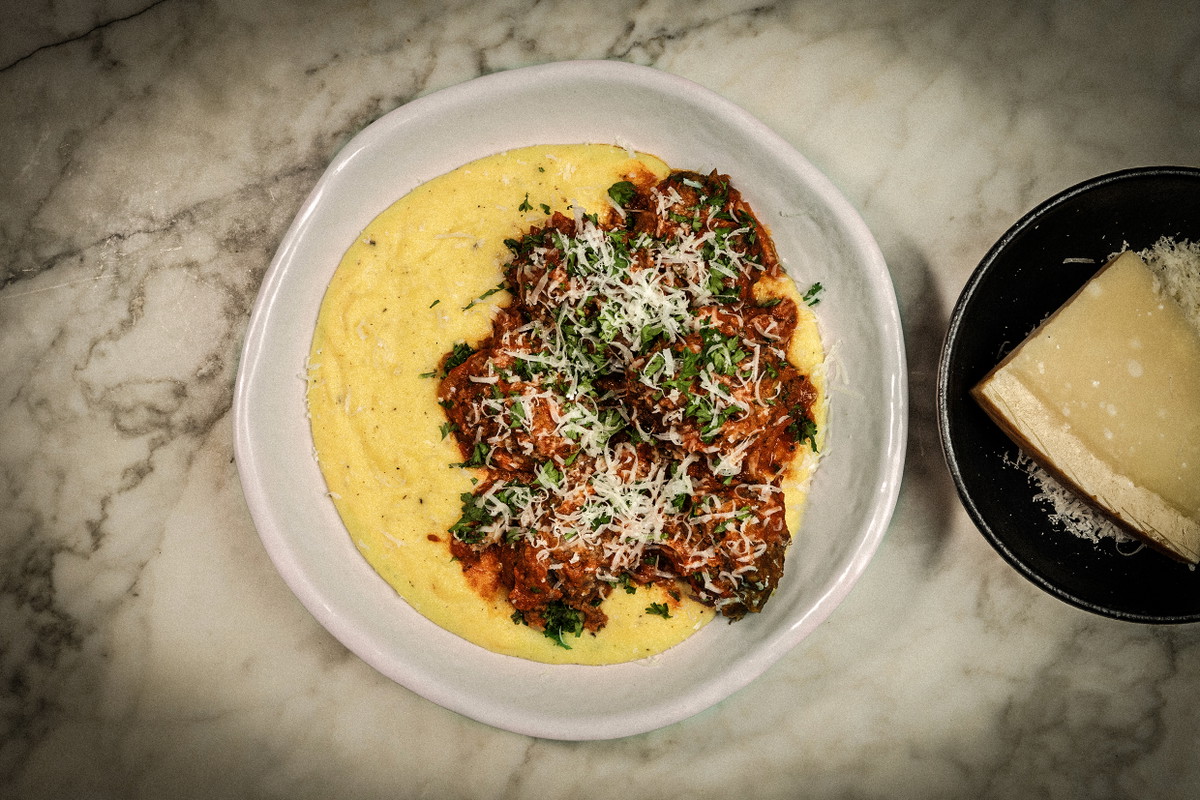
Venison Polpette Meatballs, in a Rich Tomato Sauce with Parmesan Polenta
The word "polpette" refers to traditional Italian meatballs, which are usually smaller and more tender than their American counterparts. This version uses Noble & Wild Venison Mince, which is naturally lean and packed with iron. We blend it with 200g of pork mince so that the fat from the pork acts as a "carrier" for the herbs and spices, ensuring the meatballs remain succulent even after being seared and simmered.
What sets this recipe apart is the base. Instead of the usual pasta, we use Parmesan Polenta. Polenta provides a rustic, corn-based platform that absorbs the rich tomato sauce perfectly, making every bite a harmonious blend of creamy, tangy, and savoury flavours.
Servings, Difficulty, and Cooking Time
This recipe is designed for home cooks who want to impress without needing professional-grade equipment. It is an intermediate level dish primarily because it requires multitasking between the sauce, the meatballs, and the polenta.
While it takes a bit of time to prepare, much of the process involves letting the sauce simmer and develop its deep, complex flavours, giving you plenty of time to focus on the polpette.
Ingredients for Venison Polpette
To achieve the best results, quality is everything. Using high-grade San Marzano tomatoes and wild-sourced venison makes a noticeable difference in the finished dish.
For the Meatballs:
- 400g Noble & Wild Venison Mince: The star of the show.
- 200g Pork Mince: Important for adding moisture and fat.
- 100g Breadcrumbs: Used to bind the meat and keep it light.
- 100ml Milk: For soaking the breadcrumbs (a secret to tender meatballs).
- 1 Onion & 1 Shallot: Finely chopped and sweated.
- 1 tbsp Dried Oregano: For that classic Italian aroma.
- Salt & Pepper: Generous seasoning is key.
For the Rich Tomato Sauce:
- 2 Tins San Marzano Tomatoes: Known for their sweetness and low acidity.
- 2 Cloves Garlic: Finely sliced.
- 2 Sprigs Fresh Basil: Added during the simmer.
- Good Quality Olive Oil: For sautéing and finishing.
For the Parmesan Polenta:
- 200g Instant Polenta: For a quicker cooking time.
- 200ml Vegetable Stock: For added depth of flavour.
- Remaining Milk & 100g Butter: For maximum creaminess.
- 50g Parmesan Cheese: Freshly grated.
Making the Tomato Sauce for Venison Meatballs
A great polpette dish is nothing without its sauce. The goal here is a smooth, velvety texture that coats the meatballs.
- Sauté: Add a generous glug of olive oil to a heavy-based pan. Add the finely sliced garlic and onions. Sweat them over low heat for about 5 minutes until they are translucent and sweet, but do not let them brown.
- Simmer: Pour in the San Marzano tomatoes. Use your wooden spoon to break them up slightly. Add the fresh basil and a pinch of salt and pepper. Keep the heat low and let the sauce simmer gently for 45 minutes. This reduces the water content and concentrates the natural sugars in the tomatoes.
- Finish: Once cooked, transfer the sauce to a blender and blitz until completely smooth. This creates a professional-style coulis that feels much more refined than a chunky sauce.
Forming and Cooking the Venison Meatballs
The key to a light meatball is panade, a mixture of breadcrumbs and milk that prevents the meat proteins from tightening up and becoming rubbery.
- The Panade: Soak the 100g of breadcrumbs in 100ml of milk for 5 minutes.
- Sweat the Aromatics: Quickly fry your chopped shallots in olive oil until soft. Let them cool slightly.
- Mix: In a large bowl, combine the venison mince, pork mince, dried oregano, cooked shallots, and the soaked breadcrumb mixture. Season well. Mix with your hands until just combined, but be careful not to overwork the meat.
- Shape: Prepare a baking tray with parchment paper. Roll the mixture into balls roughly the size of a ping pong ball.
- High-Heat Sear: Preheat your oven to a very high 250°C. Place the meatballs in the oven for just 5 minutes. This seals the outside, creating a nice crust while keeping the inside just-cooked. They will finish cooking and stay juicy when they are mixed into the sauce.
Preparing the Parmesan Polenta
Polenta has a reputation for being difficult, but the secret is constant movement and the right ratio of fats.
- Base: Add the remaining milk, butter, and vegetable stock to a pan. Bring it to just below a boil over low heat.
- Whisk: Whisk in the instant polenta in stages. It is vital to whisk constantly to prevent any lumps from forming.
- Consistency: Continue to cook and stir for about 15 minutes. The polenta should be thick enough to hold its shape but soft enough to spread slowly on a plate.
- Enrich: Remove from the heat and stir in the freshly grated parmesan. The cheese adds both saltiness and a luxurious, glossy finish. Taste and add salt or pepper if needed.
Plating and Serving Venison Meatballs
Plating this dish is where the colours and textures really come together.
- Take your smooth, blended tomato sauce and put it back in a wide pan. Add the seared venison meatballs and simmer for 5–10 minutes until the meatballs are hot all the way through and have absorbed some of the sauce.
- Spoon a generous, creamy portion of the parmesan polenta onto the centre of a warmed plate. Use the back of the spoon to create a slight well in the middle.
- Place 3 to 4 venison meatballs into the well and spoon over extra tomato sauce.
- Finish with a fresh grating of parmesan cheese and, if you have it, a leaf of fresh basil or a drizzle of extra virgin olive oil.
Storage Tip: If you have leftovers, the meatballs and sauce keep perfectly in the fridge for up to 2 days. The polenta, however, will firm up as it cools. You can reheat it by adding a splash of milk or stock and whisking it over a low heat to bring back its creamy texture.
Love cooking with venison mince? Explore more inspiration in our venison mince recipes for more ideas.